by Joydip Bagui | Nov 18, 2026 | Blogs, Port Operations
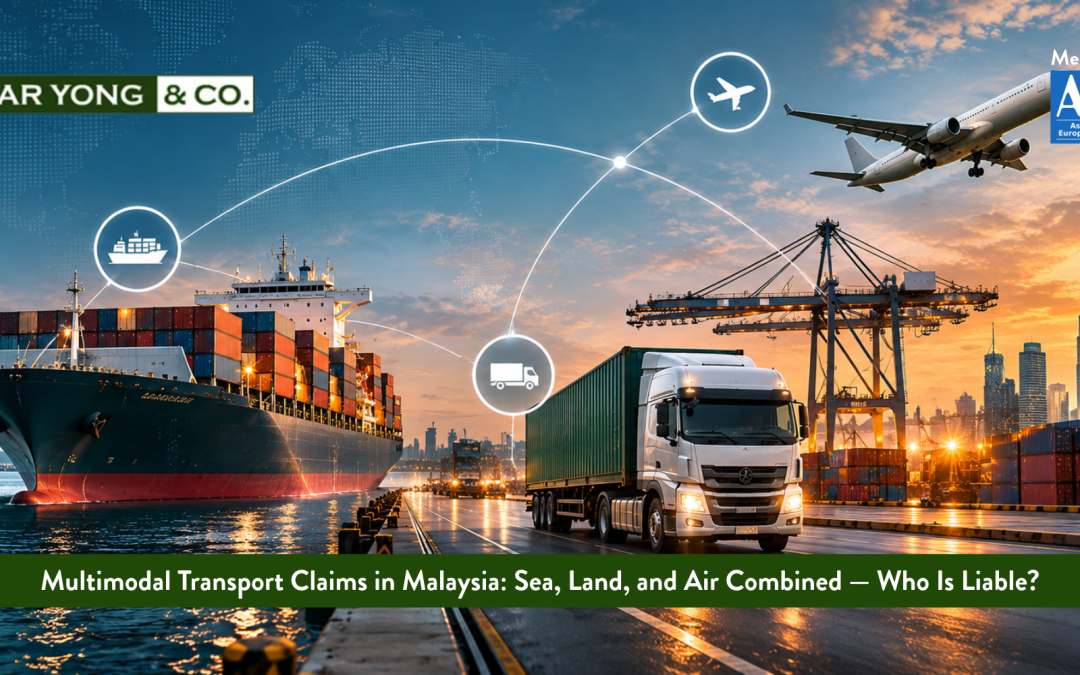
Modern supply chains rarely rely on a single mode of transport. Most commercial shipments involve at least two modes — typically sea and road — and many involve three or more: factory to port by truck, ocean freight, port to distribution centre by road, and sometimes...
by Soubhagya Mukhopadhyay | Nov 13, 2026 | Blogs, Port Operations
International trade between Malaysian exporters and their global buyers is predominantly financed through documentary letters of credit (LCs) — instruments issued by the buyer’s bank that guarantee payment to the seller upon presentation of conforming shipping...
by Soubhagya Mukhopadhyay | Nov 3, 2026 | Blogs, Port Operations
Stowaways — persons who secrete themselves on board a vessel without the knowledge or consent of the Master or shipowner — present a unique legal and humanitarian challenge. Malaysia’s position as a major transhipment hub and its proximity to several source...
by Soubhagya Mukhopadhyay | Oct 27, 2026 | Blogs, Port Operations
Protection and Indemnity (P&I) insurance is the cornerstone of a shipowner’s liability insurance programme. Unlike hull and machinery insurance — which covers physical damage to the vessel itself — P&I insurance covers the shipowner’s third-party...
by Soubhagya Mukhopadhyay | Oct 23, 2026 | Blogs, Port Operations
Time bars — also known as limitation periods or prescription periods — are the legal deadlines within which a maritime claim must be commenced. Once a time bar expires, the claim is extinguished entirely, regardless of how strong the merits might be. In Malaysian...
by Soubhagya Mukhopadhyay | Oct 13, 2026 | Blogs, Port Operations
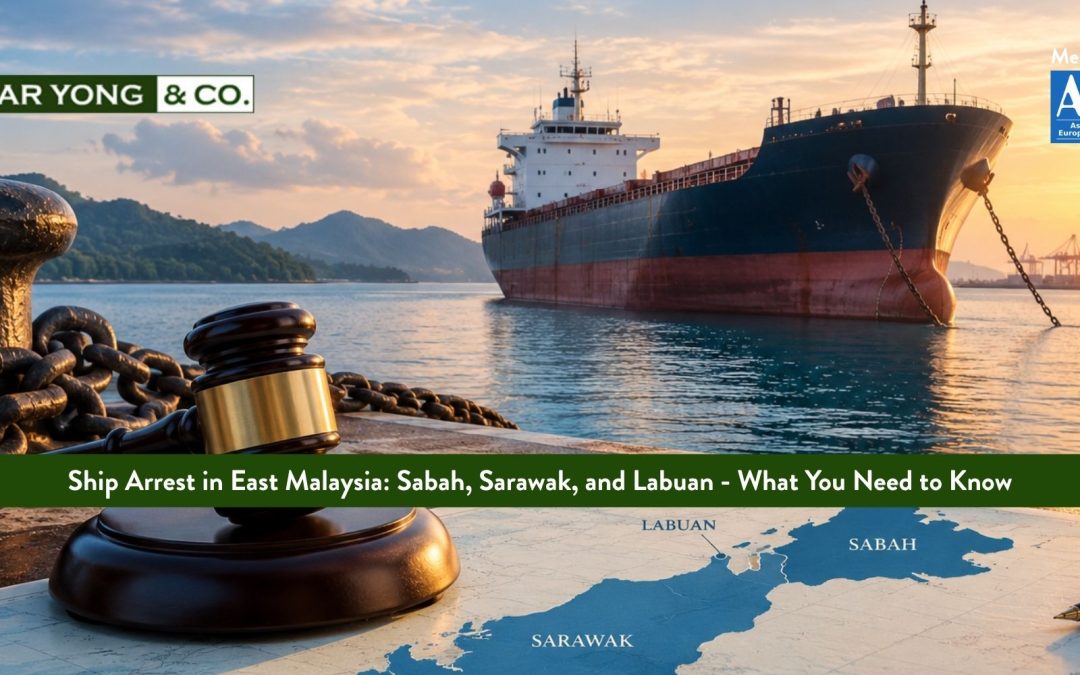
Most people in the maritime industry know that Malaysia has a well-established ship arrest regime — centred on the Admiralty Court in Kuala Lumpur, operating 24 hours a day under Order 70 of the Rules of Court 2012. What is less well understood is that ship arrest in...
