by Soubhagya Mukhopadhyay | Jun 26, 2026 | Blogs, Malaysian Maritime Law
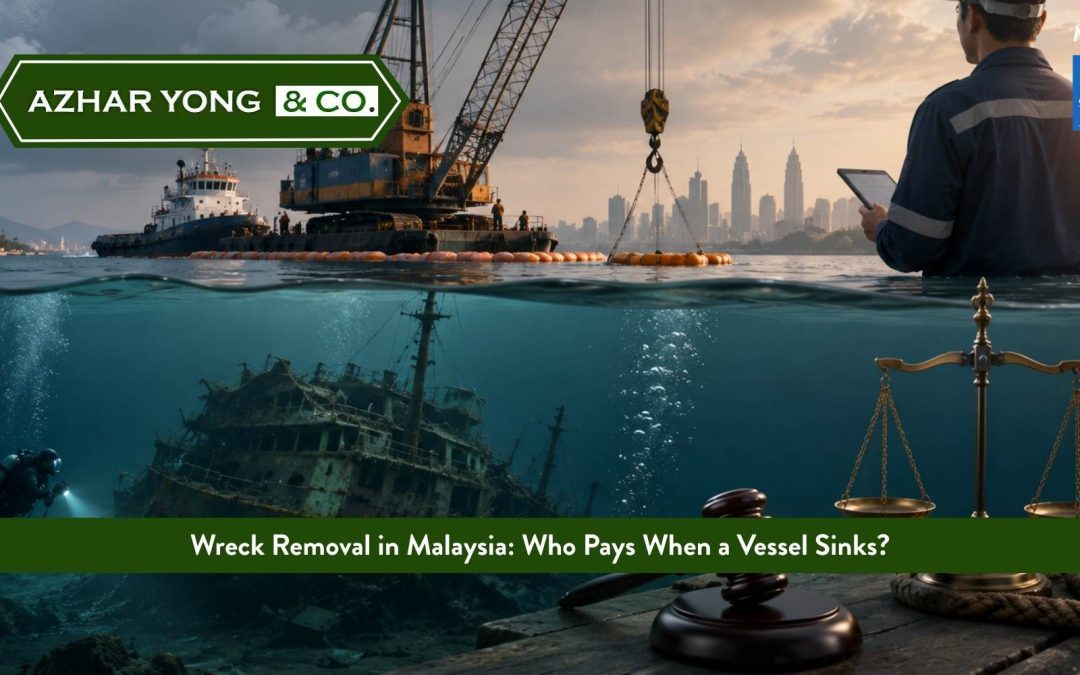
When a vessel sinks, grounds, or is abandoned in Malaysian waters, the consequences extend far beyond the loss of the ship itself. A sunken wreck can obstruct navigation, damage port infrastructure, pollute the marine environment, and create a hazard for other vessels...
by Soubhagya Mukhopadhyay | Jun 22, 2026 | Blogs, Malaysian Maritime Law
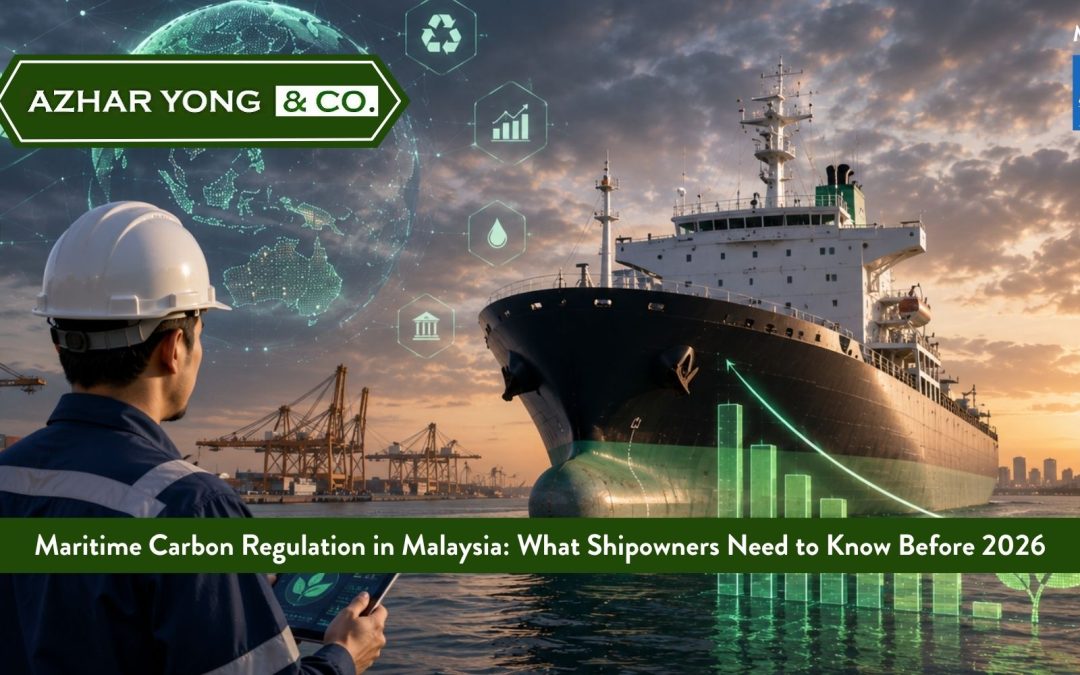
Malaysia’s maritime sector is entering a period of significant regulatory change. The Malaysian government has announced that a carbon tax will be introduced beginning in 2026, targeting energy-intensive sectors — including shipping and port operations....
by Soubhagya Mukhopadhyay | Jun 19, 2026 | Blogs, Malaysian Maritime Law
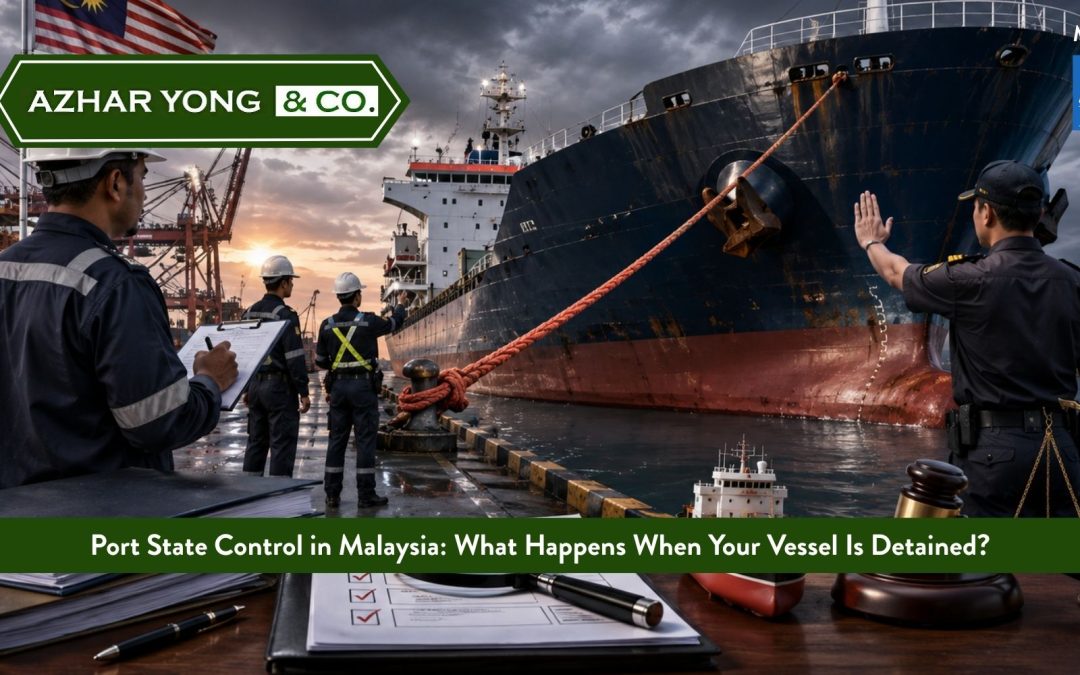
Port State Control (PSC) is the system by which a coastal state — in Malaysia’s case, the Marine Department of Malaysia (Jabatan Laut Malaysia) — inspects foreign-flagged vessels visiting its ports to verify compliance with international maritime conventions....
by Soubhagya Mukhopadhyay | Jun 16, 2026 | Blogs, Malaysian Maritime Law
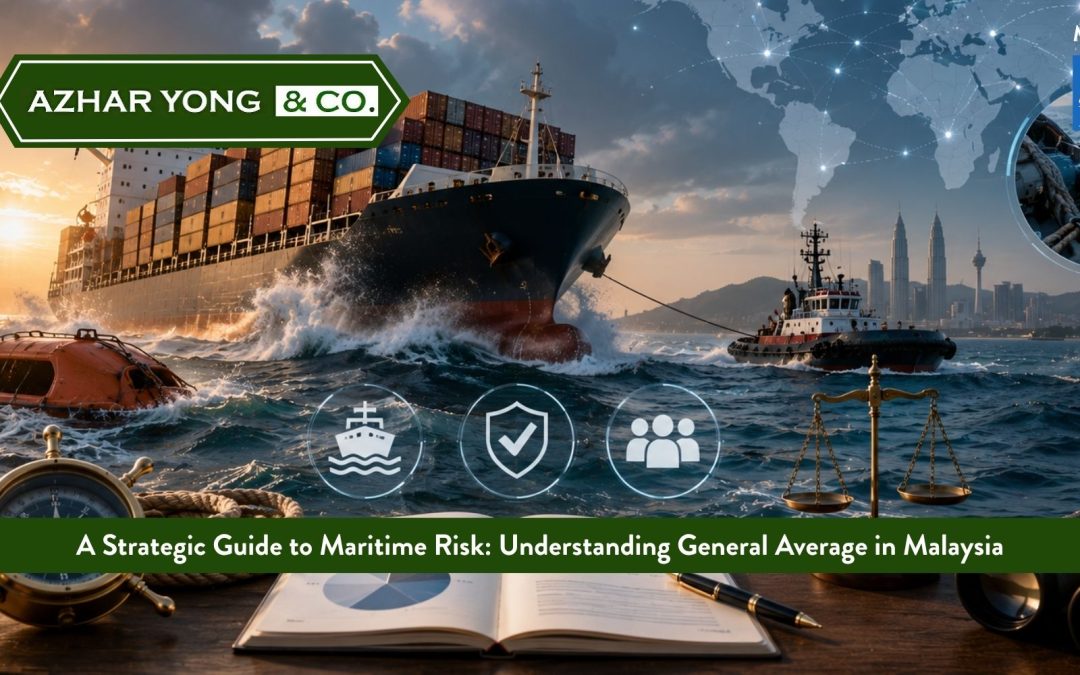
General Average is one of the oldest principles in maritime law — and one of the least understood by modern importers and exporters. It applies when, during a voyage, the shipowner or Master makes a deliberate sacrifice or incurs an extraordinary expenditure to save...
by Soubhagya Mukhopadhyay | Jun 11, 2026 | Blogs, Malaysian Maritime Law
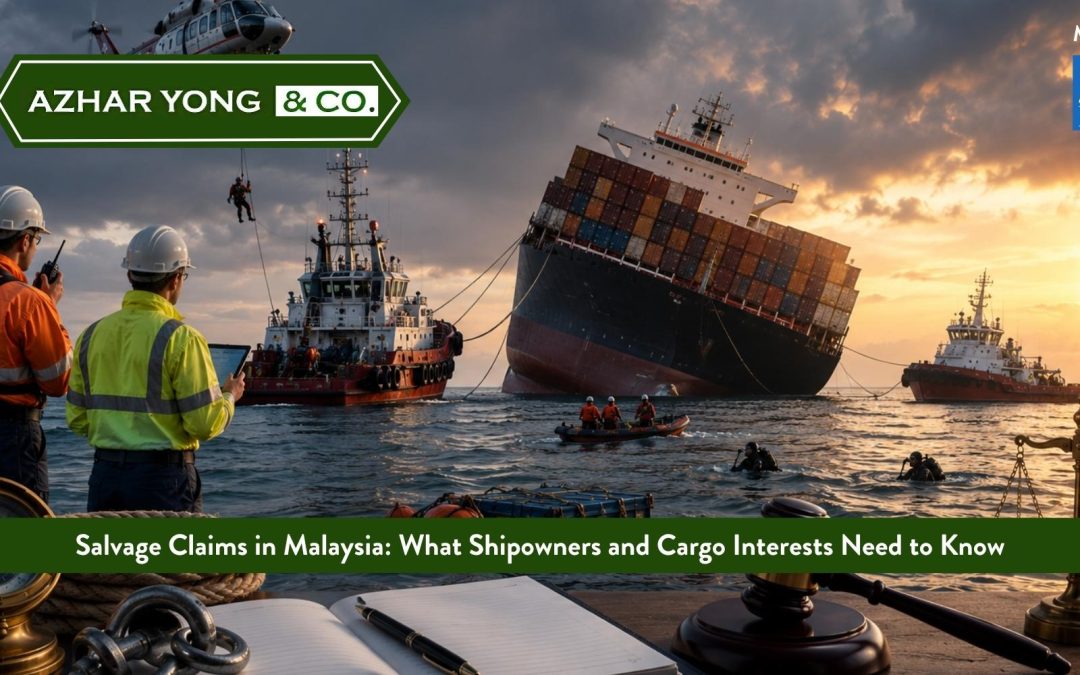
Salvage is the service rendered by one party to rescue another party’s vessel or cargo from peril at sea. In Malaysia, salvage is governed by common law principles and — for vessels party to Lloyd’s Open Form (LOF) — by the International Salvage Convention...
by Soubhagya Mukhopadhyay | Jun 8, 2026 | Blogs, Malaysian Maritime Law
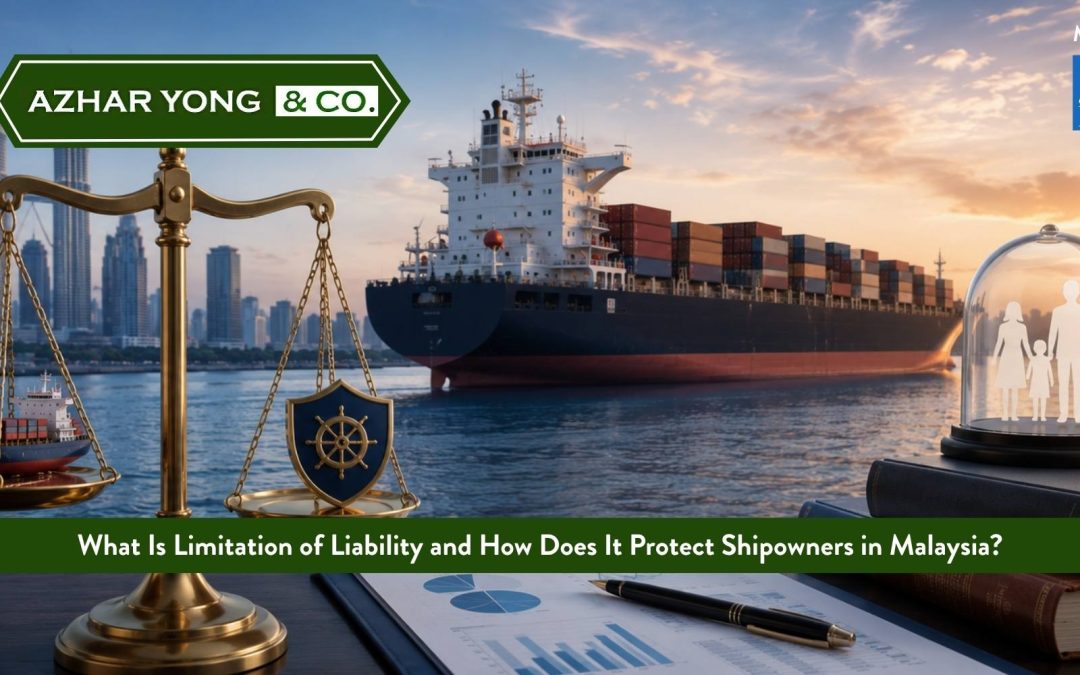
When a vessel is involved in a collision, grounding, or other serious incident, the financial claims that follow can be staggering — cargo loss, hull damage, personal injury, wreck removal, and environmental liability can all arise from the same event. Without a cap...
